
The A380 vs the 747-400: Which Simulator Experience Would You Choose?
The Airbus A380 is the largest passenger aircraft ever built. The Boeing 747-400 is the aircraft that invented the whole idea of a jumbo jet, three decades earlier, and gave commercial aviation its most recognisable silhouette. Both are icons, but for genuinely different reasons, and that difference matters if you're choosing between simulator experiences built around them.
Size and Scale: How They Compare
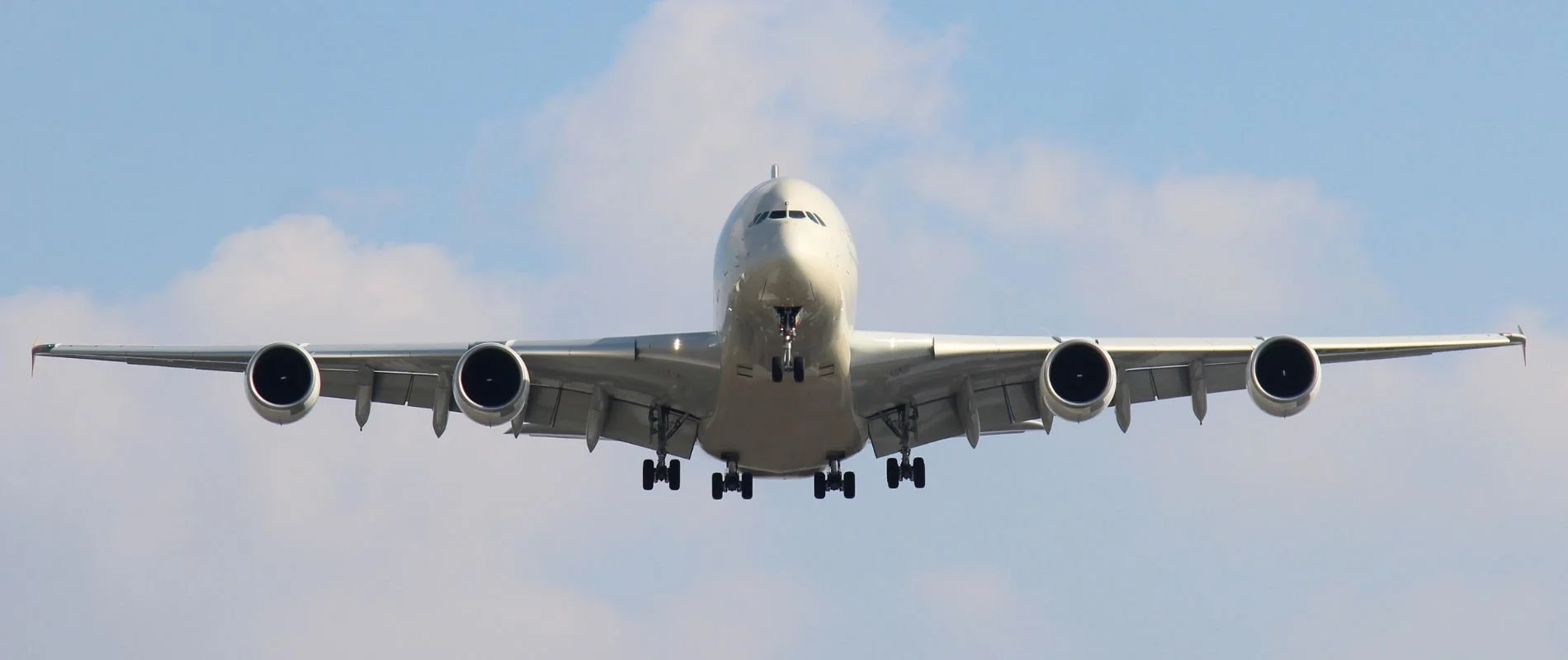
On paper, the A380 wins on size. It stretches 72.7 metres nose to tail against the 747-400's 70.7 metres, with a considerably wider wingspan at 79.75 metres compared to 64.4 metres, and a typical three-class capacity of 555 passengers against the 747-400's 416. It's a genuinely enormous aircraft, entering service in 2007 as Airbus's answer to decades of 747 dominance.
The 747-400, for context, first flew as part of the original 747 family back in 1969, effectively inventing the wide-body jet and halving the cost per seat of long-haul travel in the process. It held the title of world's largest passenger aircraft for over 35 years, until the A380 finally took it in 2005.
The Hump vs the Full Double Deck
Here's where the two aircraft genuinely part ways. The A380 is a full-length double decker, two complete passenger decks running the entire length of the aircraft. The 747, by contrast, has its famous hump: a partial upper deck, seating as few as 30 to 44 passengers depending on configuration, tucked behind the flight deck. It was never about maximising capacity. It was originally intended for cargo flexibility, and became, almost by accident, the most exclusive and recognisable few rows in commercial aviation.
That difference is part of why the 747's upper deck carries the reputation it does. On the A380, an upper deck seat is a normal part of a very large aircraft. On the 747, it was a small, distinct space that passengers specifically chose their route to sit in.
Both Icons, Facing Similar Fates
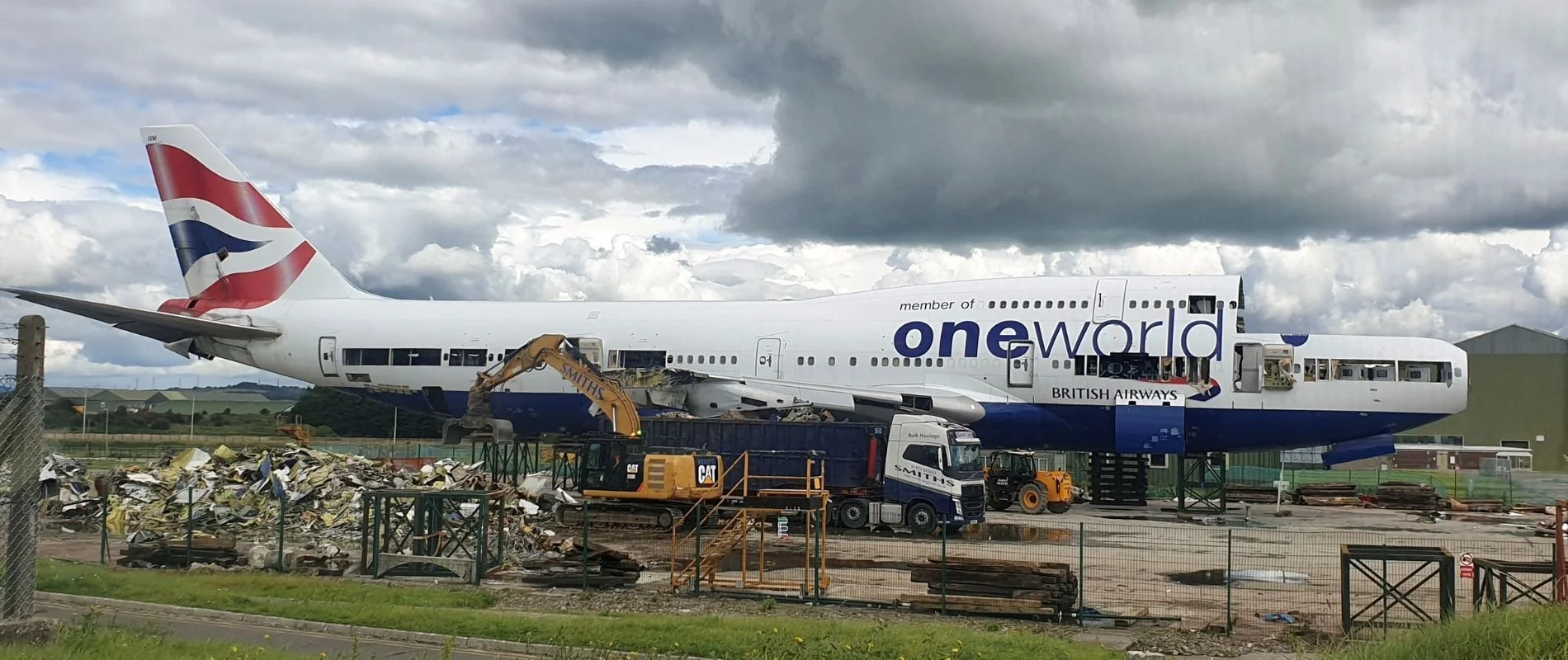
Airbus ended A380 production in 2021, unable to sustain orders for an aircraft that size in a market moving toward smaller, more efficient twin-engine jets. A handful of airlines, including Emirates, British Airways and Qantas, still fly it on key routes. The 747-400 faced a similar reckoning earlier: British Airways, the world's largest 747-400 operator, retired its entire fleet in 2020, bringing forward planned retirements as the pandemic reshaped the industry overnight. Both aircraft, in different ways, are now closer to the end of their commercial story than the beginning.
Why the 747-400 Offers a Uniquely Authentic Simulator Experience
This is where 744 Experience comes in. Because the 747's upper deck was always a small, distinct space rather than a full second deck, preserving it means preserving something genuinely rare: not just a cabin, but the specific few rows that made the aircraft famous in the first place. The Upper Deck cabin at 744 Experience, rows 60 to 64 taken from a retired British Airways 747-400, is exactly that space, seated and complete, alongside the genuine flight deck from a second retired aircraft.
An A380 simulator experience would put you in a very large modern aircraft. A 747-400 experience puts you in the aircraft that defined what a jumbo jet was supposed to feel like, hump and all.
Which Would You Choose?
Both aircraft earned their place in aviation history for different reasons. If it's the 747's story, its unmistakable shape and its famous upper deck that draws you in, 744 Experience is built entirely around preserving that, genuinely, not as a replica.
To experience the thrill of piloting a real 747-400, view our Short Haul page.